
Strategic Overview
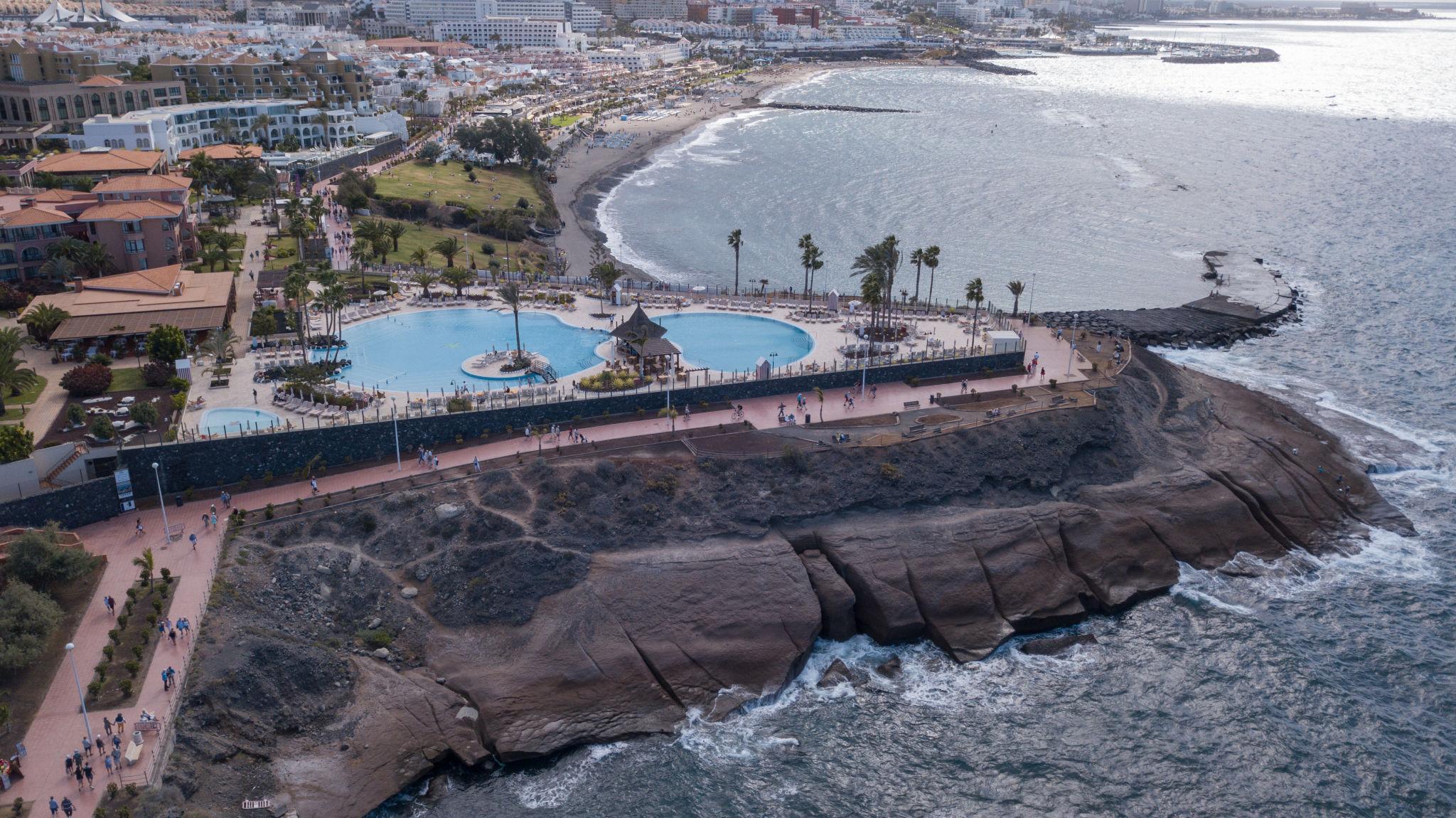
Canary Islands are a year-round destination off the northwest coast of Africa, offering stable climate, large-scale resort infrastructure, and diversified island experiences. The archipelago includes key tourism hubs such as Tenerife, Gran Canaria, Lanzarote, and Fuerteventura.
Core Selling Proposition
The Canary Islands deliver:
- 12-month tourism season (mild climate year-round)
- Strong resort infrastructure and operational reliability
- Wide product diversity across islands (beach, nature, volcanic landscapes)
Key Experiences
- Tenerife: Mount Teide, resorts, mixed tourism
- Gran Canaria: dunes, beaches, urban + leisure mix
- Lanzarote: volcanic landscapes, design (César Manrique influence)
- Fuerteventura: beaches, wind sports
- Golf, wellness, and resort lifestyle
- Hiking and nature tourism
Target Segments
- Mass market (UK, Germany, Northern Europe)
- Winter sun travelers
- Families (resorts & all-inclusive)
- Active tourism (sports, hiking)
- Long-stay and digital nomads
Seasonality
- Year-round demand
- Peak: Winter (November–March)
- Secondary peak: Summer
- Minimal low season
Access
- Multiple international airports per island
- Strong charter and scheduled connectivity
- High frequency from European markets
Accommodation
- Large all-inclusive resorts
- 4★ and 5★ hotels
- Aparthotels and long-stay units
- Villas and premium resorts
Pricing & Yield
- Competitive vs Caribbean for winter sun
- Stable year-round revenue
- Strong margins through volume and long stays
Risks
- Perception as mass tourism destination
- Limited “exotic” differentiation vs long-haul destinations
- High competition between islands
Sales Narrative
“A reliable year-round destination offering sun, scale, and diverse island experiences with strong commercial performance.”
Package Scenarios
- 5–7 nights all-inclusive resort
- Winter sun long-stay packages
- Island-specific experiences (Lanzarote, Tenerife)
- Active tourism (sports & hiking)
OFFICIAL PHOTOS
1. Tenerife & Mount Teide


2. Beaches & Coastlines


3. Resorts & Lifestyle


